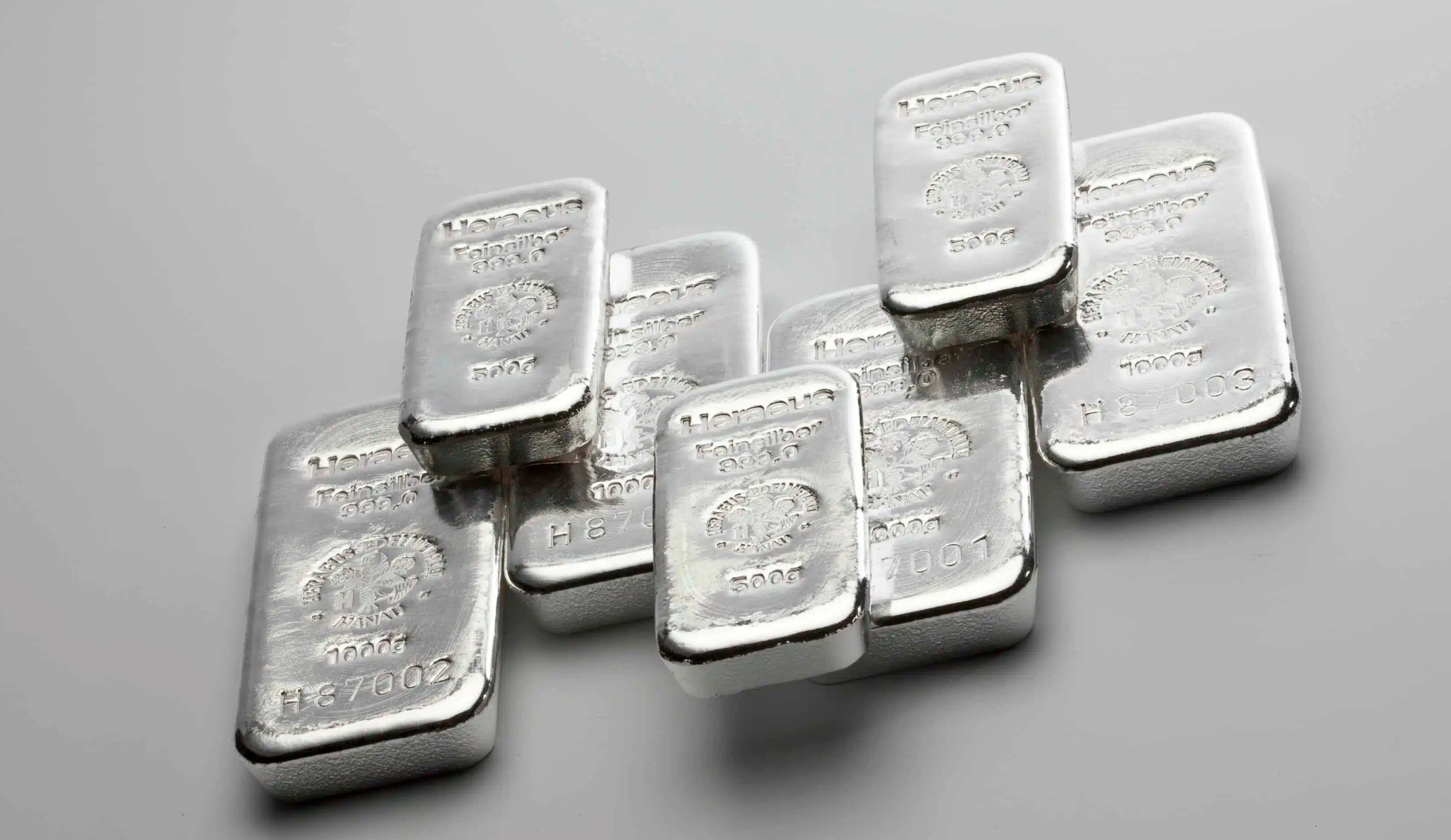
INVESTMENT.RAKCER.ID – Gold and silver prices continued to slide, extending losses after a dramatic reversal that abruptly ended a months-long rally in precious metals.
The decline marked one of the sharpest downturns in more than a decade, underscoring how quickly sentiment can shift in markets that had previously been driven by strong momentum and safe-haven demand.
Spot gold fell by as much as around 4% in early Asian trading, pushing prices further away from the record highs reached just days earlier.
Silver, which tends to experience larger swings than gold, also came under heavy pressure, following a steep drop of nearly 12% in the previous session.
Other precious metals, including platinum and palladium, were not spared, as the broader sector moved lower amid heightened volatility.
The sudden sell-off came after an extended rally that had lifted gold and silver to historic levels. Investors had piled into precious metals as concerns mounted over geopolitical tensions, rising government debt, and uncertainty surrounding global monetary policy.
Central bank buying, along with speculative demand, had fueled the surge, creating what some analysts described as stretched market conditions.
The turning point for the rally was a report that US President Donald Trump plans to nominate Kevin Warsh as the next chair of the Federal Reserve.
Warsh is widely perceived as having a more hawkish stance on monetary policy, raising expectations that interest rates could remain higher for longer.
This prospect boosted the US dollar and triggered a rapid reassessment of positions in assets that typically benefit from low interest rates and a weaker currency.
As the dollar strengthened, investors began unwinding long positions in precious metals, accelerating the downward move.
Profit-taking played a significant role, particularly among traders who had entered the market late in the rally and were sitting on substantial gains.
Momentum-driven strategies, which had amplified the rise in prices, now worked in reverse, deepening the decline as stop-loss orders were triggered.
The reversal highlighted how vulnerable the precious metals market had become after its rapid ascent.
While the long-term fundamentals for gold and silver — such as central bank diversification and demand for safe-haven assets — remain intact, short-term price movements are increasingly influenced by shifts in monetary policy expectations and currency dynamics.
Market participants are now closely watching upcoming economic data and signals from the Federal Reserve for further clues about the direction of interest rates.
Analysts note that while the recent pullback may prove temporary, volatility is likely to remain elevated as investors reassess valuations and rebalance portfolios.
For now, the sharp downturn serves as a reminder that even assets considered safe havens are not immune to sudden corrections, especially after prolonged rallies fueled by speculation and aggressive positioning.